
Bitcoin Core contributor Peter Todd will maintain MARA Foundation’s private mempool
Bitcoin O.G. Peter Todd has joined the MARA Foundation as lead maintainer of Slipstream, the miner’s private Bitcoin mempool service
Announced by the foundation on Thursday, the new role will see Todd responsible for developing and running the service
Slipstream lets users send bitcoin transactions straight to MARA Pool, the company’s mining pool, without going through Bitcoin’s public peer-to-peer network. It was useful after hackers exploited Coldcard hardware wallets in July, stealing over $115 million in user funds
Because transactions sent through Slipstream stay private until they’re confirmed in a block, the service helps to keep key information hidden before confirmation — protecting exposure of their public keys
“I most look forward to seeing what’s possible on Bitcoin — using Slipstream as a proving ground for experimental development and protocol innovation,” Todd said
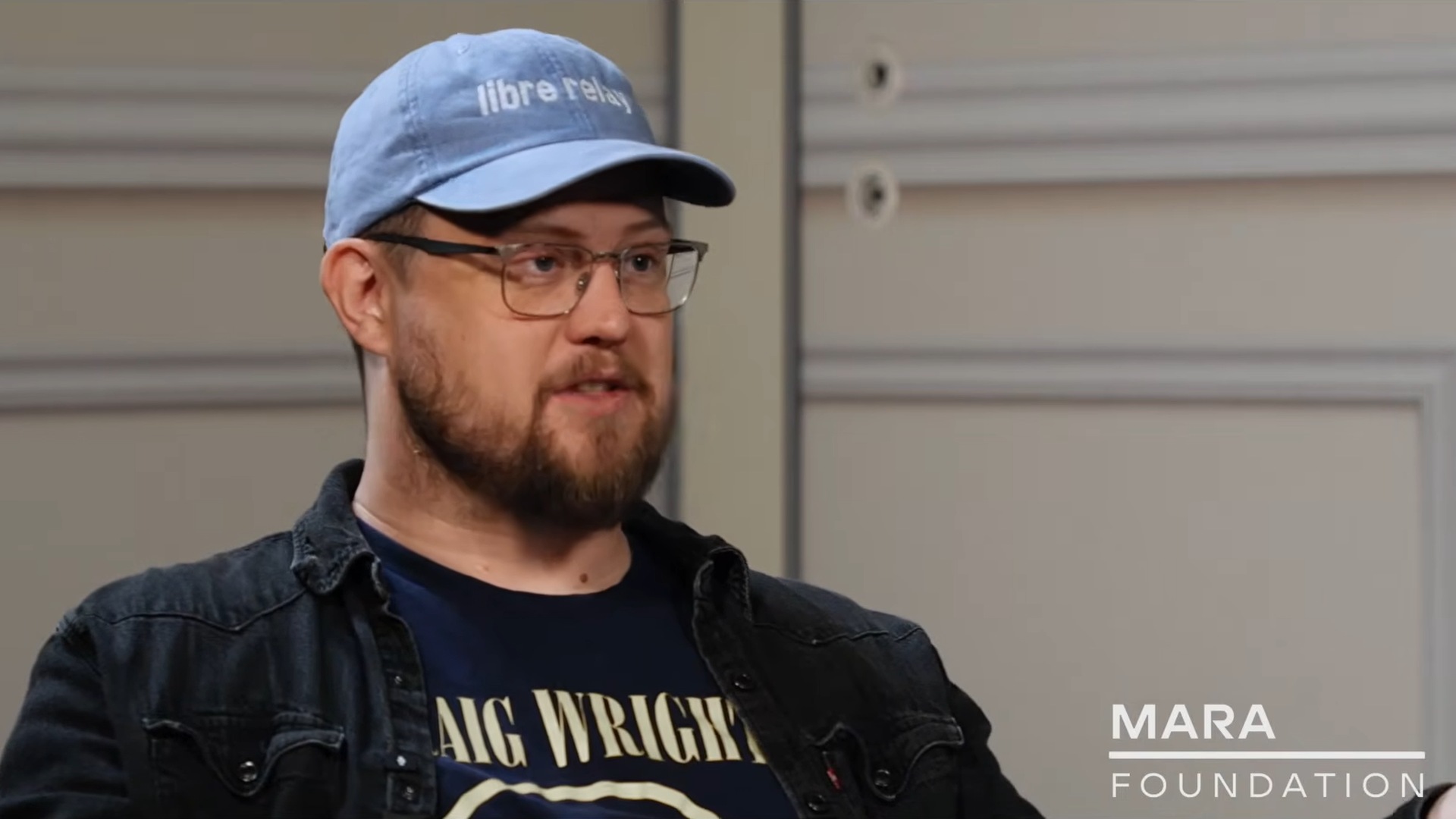
Todd added: “Working with Slipstream is a natural complement to my work on Libre Relay, and my mempool policy work more broadly. I’ve always believed that Bitcoin is better when we design protocols with economic demand in mind. This is also a good opportunity to build bridges between Bitcoin Core developers and miners.”
MARA’s Slipstream first drew attention in 2024 for publishing large Ordinals inscriptions. More recently it has been used for research projects like Quantum Safe Bitcoin and Binohash, a way to emulate covenants without a soft fork
Todd is a longtime Bitcoin Core contributor, who co-authored BIP 125 (replace-by-fee), created OpenTimestamps, and in 2024 launched Libre Relay, a Bitcoin Core fork with looser relay rules for non-standard transactions
He argues that mempool policy should follow what the market wants miners to mine, rather than restrict how people use Bitcoin


