Rizwan is an experienced Crypto journalist with almost half a decade of experience covering everything related to the growing crypto industry — from price analysis to blockchain disruption. During this period, he’s authored more than 3,000 news articles for Coinpedia News
Rizwan is an experienced Crypto journalist with almost half a decade of experience covering everything related to the growing crypto industry — from price analysis to blockchain disruption. During this period, he’s authored more than 3,000 news articles for Coinpedia News
Rizwan is an experienced Crypto journalist with almost half a decade of experience covering everything related to the growing crypto industry — from price analysis to blockchain disruption. During this period, he’s authored more than 3,000 news articles for Coinpedia News
Story HighlightsPhilippine central bank restricts incoming bank transfers to Coins.ph through InstaPay and PESONet
Coins.ph merchant payments through QRPh remain available despite the transfer restrictions
BSP order targets DCPay Philippines, Coins.ph’s e-wallet and payment services operator
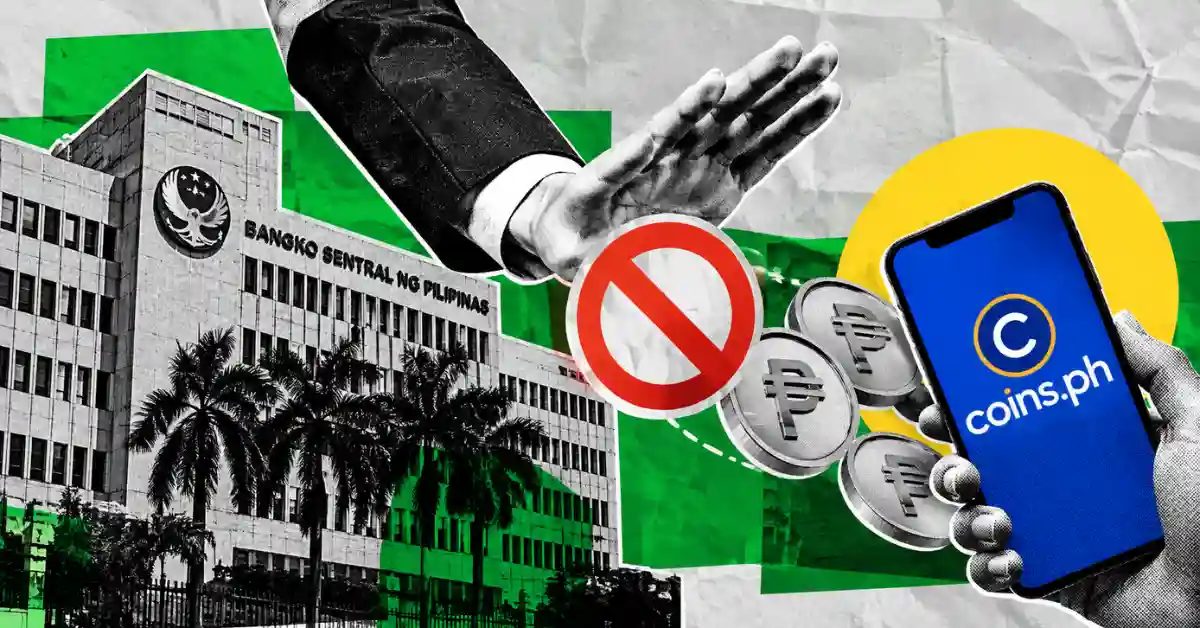
Coins.ph, one of the Philippines’ leading crypto platforms, is facing new limits on bank deposits after the country’s central bank restricted some transfers to the crypto platform’s e-wallet operator
The move affects InstaPay and PESONet transfers, leaving users unable to add pesos through some major local banks. Here’s what user should know
The Bangko Sentral ng Pilipinas (BSP) has partially suspended DCPay Philippines Inc., the e-wallet operator behind Coins.ph, under Monetary Board Resolution No. 839
The Philippine Payments Management Inc. notified financial institutions through PPMI Advisory, requiring the restriction to be implemented across the payment network
Meanwhile, the order blocks DCPay from receiving incoming credit transfers through InstaPay and PESONet
This means users cannot currently cash in to affected Coins.ph peso wallets from external banks or other e-wallets through these channels
Philippine Central Bank Curbs Bank Transfers to Major Crypto Platform Coins phCoins ph, one of the Philippines’ leading homegrown crypto platforms, is facing restrictions on local-bank deposits after the Bangko Sentral ng Pilipinas partially suspended inbound InstaPay and… pic.twitter.com/DfeLFygX6v
The restriction mainly affects money coming into Coins.ph rather than money moving out
Users can still transfer funds from Coins.ph to external Philippine bank accounts and e-wallets. QRPh merchant payments also remain available, allowing customers to spend existing balances at participating stores. Bilyonaryo Business
Coins.ph’s status page currently lists InstaPay and PESONet cash-ins as under maintenance, while outbound transfers remain operational. Coins.ph Status
The restriction also covers incoming InstaPay QR credit transfers and DCPay’s participation in the InstaPay for Business pilot. BitPinas
The order does not directly suspend Coins.ph’s crypto trading entity. Coins.ph operates through two separate companies
DCPay Philippines handles the e-wallet and peso payment services, while Betur Inc. operates the separately licensed virtual asset business. Betur is not directly covered by the suspension. Bilyonaryo Business
However, the restriction can still affect users who depend on local bank transfers to fund crypto purchases on the platform
The current advisory does not provide a public date for restoring DCPay’s inbound access. As of now, Coins.ph continues to show the affected cash-in services as unavailable while its crypto trading, spot exchange and outbound transfer services remain operational